
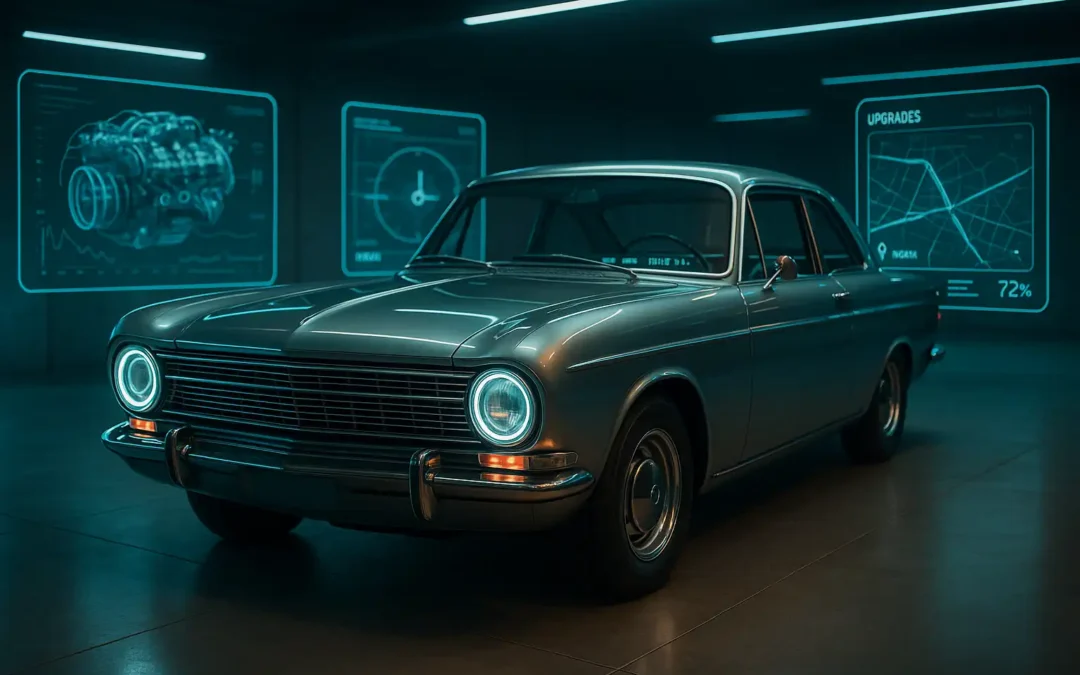
There is something magical about old cars. The sound of the engine, the shape of the body, the chrome details, and the vintage smell are all reminders of a time when vehicles were more than machines — they were expressions of freedom and identity. Yet, today’s drivers want comfort, safety, and advanced digital features. This is where the concept of classic cars with modern technology becomes revolutionary.
Imagine enjoying the beauty of a 1960s muscle car, a 1950s European classic, or a retro Japanese legend — but with modern navigation, electronic safety, new engines, better fuel efficiency, and smooth driving. That blend of old charm and new performance is transforming the automotive world in exciting ways.
In this complete guide, we’ll look at how classic cars with modern technology work, why people love them, what upgrades are available, how they improve safety, and what the future of this trend looks like. The article includes human explanations, real-world examples, and easy-to-read tables.
Table of Contents
What Does Classic Cars With Modern Technology Mean?
The phrase classic cars with modern technology refers to vintage models that are restored, rebuilt, or upgraded using advanced automotive tools and digital features. The goal is simple: preserve the old-school look while giving the car modern-day performance.
This can include:
- digital dashboards
- electric or hybrid engines
- ABS braking
- infotainment systems
- climate control
- rear cameras
- Bluetooth connectivity
- GPS navigation
- modern suspension
- improved safety structures
- updated lighting systems
The exterior stays classic. The experience becomes modern.
Why People Love Classic Cars With Modern Technology
There are many reasons why enthusiasts prefer classic cars with modern technology:
1. Timeless Style
Vintage cars have beauty that never fades. Their body shapes, metal craftsmanship, and bold designs can’t be replicated today.
2. Modern Comfort
Air-conditioning, quiet cabins, easy steering, and advanced entertainment make long drives smoother.
3. Safety and Reliability
Old cars were stylish, but not very safe. Modern upgrades solve that problem.
4. Better Fuel Efficiency
Upgraded engines or electric conversions save money and help the environment.
5. Increased Resale Value
Modified vintage cars attract collectors and enthusiasts willing to pay premium prices.
6. Emotional Attachment
Many owners restore cars passed down through family generations.
Types of Modern Upgrades for Classic Cars
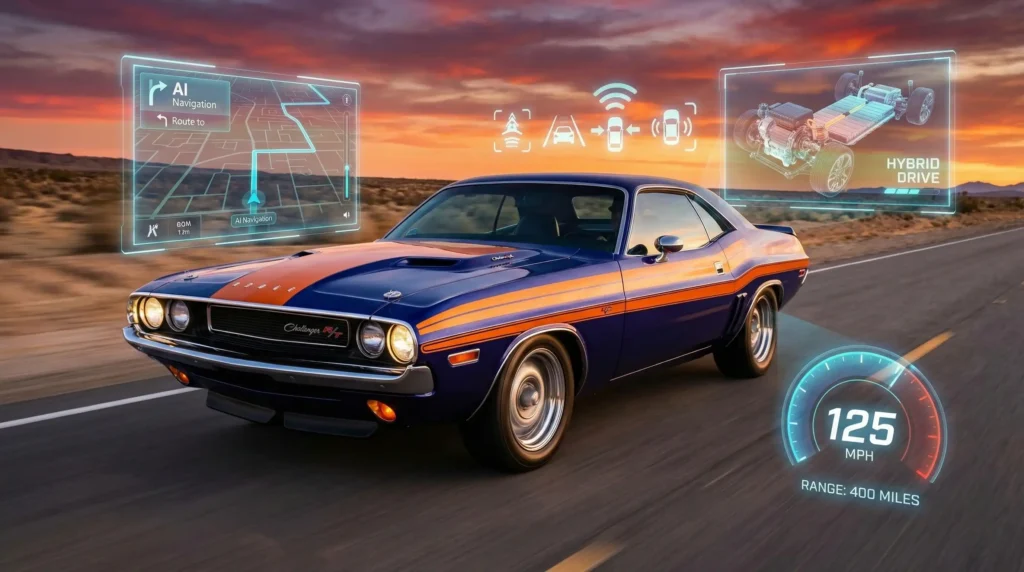
Not all upgrades are equal. Some are cosmetic, some increase performance, and others transform the driving experience completely.
Below is a simple table to explain these categories.
TABLE 1: Types of Modern Upgrades for Classic Cars
| Upgrade Type | Description | Benefit |
|---|---|---|
| Engine Upgrade | New engine, hybrid, or electric conversion | More power, better mileage |
| Safety Systems | ABS, traction control, airbags | Safer driving |
| Interior Modernization | Leather seats, infotainment, digital clusters | Comfort + luxury |
| Suspension & Brakes | Modern shocks and disc brakes | Smooth handling |
| Electrical Systems | Wiring, LED lights, sensors | Reliability |
| Smart Tech | Bluetooth, backup camera, GPS | Convenience |
These upgrades allow classic cars with modern technology to function like brand-new vehicles while keeping their vintage soul intact.
1. Engine and Performance Upgrades
One of the most popular improvements made to classic cars with modern technology is engine upgrading. Vintage engines were powerful but inefficient. Modern engines, especially electric conversions, completely transform the driving experience.
Electric Conversion
Electric motors offer:
- instant torque
- zero emissions
- quiet acceleration
- lower maintenance
Imagine a 1967 Mustang powered silently by an electric motor — classic look, futuristic performance.
Fuel-Injected Systems
Replacing carburetors with fuel-injection systems provides:
- smoother acceleration
- better throttle response
- improved mileage
Turbo and Hybrid Options
Some restorers combine old engines with new turbo systems or partial hybrid systems.
2. Safety Upgrades: Vital for Modern Roads
Safety standards in the 1960s, 70s, and 80s were extremely basic. Today, even small cars come loaded with safety features.
That’s why safety upgrades are essential when building classic cars with modern technology.
These may include:
- anti-lock brakes (ABS)
- disc brakes instead of drum brakes
- traction control
- enhanced chassis reinforcement
- modern seat belts
- parking sensors
- backup cameras
- electronic stability control
These changes drastically reduce the risk of accidents and provide modern levels of control.
3. Interior Upgrades and Digital Features
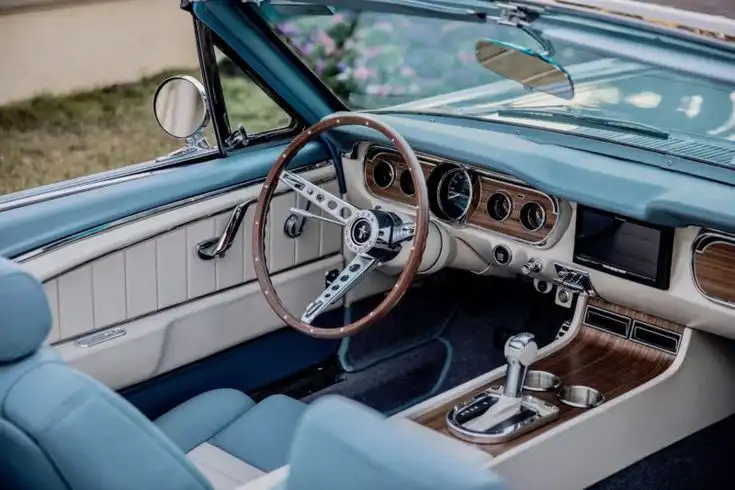
One major attraction of classic cars with modern technology is the blend of vintage upholstery with advanced digital systems.
Upgrades include:
- touchscreen infotainment
- Apple CarPlay / Android Auto
- premium sound systems
- digital gauges with classic designs
- temperature control
- heated seats
- wireless charging
You enjoy the look of a vintage cabin with the comfort of a luxury modern car.
TABLE 2: Digital Features Added to Classic Cars
| Digital Feature | Modern Purpose | How It Improves the Car |
|---|---|---|
| GPS Navigation | Real-time maps | No mobile holder required |
| Backup Camera | Reverse safety | Avoid dents, safer parking |
| Smart Display | Car data in HD | Clearer information |
| Touchscreen Unit | Music, calls, apps | Hands-free comfort |
| Smart Sensors | Detect obstacles | Safer city driving |
| Bluetooth System | Wireless connectivity | Easy music & calls |
These features enhance comfort without ruining the classic feel.
4. Exterior Improvements: Keeping the Look, Enhancing the Function
Classic cars must maintain originality, so exterior upgrades are usually subtle.
Examples include:
- LED headlights resembling original bulbs
- improved bumpers
- corrosion-resistant paint
- alloy wheels with retro styling
- weather-proof rubber seals
- modern mirrors with indicators
Even though the look remains vintage, the functionality becomes modern and reliable.
5. Why Modern Technology Makes Classic Cars More Valuable
Collectors today prefer classic cars with modern technology because they deliver a better ownership experience. These cars appreciate in value due to:
A. Strong Buyer Demand
Many enthusiasts want classic style with modern reliability.
B. Lower Maintenance Cost
Electric or modern engines require fewer repairs.
C. Longer Lifespan
Upgraded parts last longer and are easier to replace.
D. Customization Appeal
Modernized classics stand out in car shows and auctions.
6. The Emotional & Cultural Value
People don’t just buy old cars — they buy memories, childhood dreams, and emotional history.
When upgraded with technology, these cars become:
- easier to drive daily
- safer for family trips
- more reliable for long journeys
- comforting reminders of the past
This nostalgic power is one of the biggest reasons classic cars with modern technology is a rapidly growing trend worldwide.
7. Challenges in Restoring Classic Cars With Modern Technology
While exciting, the process is not simple.
A. Finding Original Body Parts
Vintage models often have rare components.
B. Electrical Compatibility
Old wiring must be replaced completely.
C. Balancing Style With Technology
Upgrades must fit without ruining original charm.
D. Skilled Labor Required
Only experienced restorers can combine old and new safely.
Despite these challenges, the final result is worth the effort.
8. Future Trends in Classic Cars With Modern Technology
The future looks bright for this trend. We can expect:
- more electric conversions
- reusable battery packs
- augmented reality dashboards
- AI-powered driving assistance
- 3D-printed spare parts
- wireless vehicle diagnostics
These innovations will push classic cars with modern technology into a whole new era while keeping vintage beauty alive.
Conclusion
The demand for classic cars with modern technology is growing every year. People love the charm, design, and emotional feel of vintage cars, but they also want the convenience, safety, and performance of today’s automotive standards.
By blending old-school aesthetics with new-age engineering, these cars become more than vehicles — they become masterpieces. Whether you’re a collector, hobbyist, or someone who simply loves the fusion of past and future, upgrading a classic car with modern features is one of the most rewarding automotive experiences.
From engine upgrades to digital dashboards, from safety features to electric conversions, this trend is shaping the future of automotive culture while preserving its heritage.