
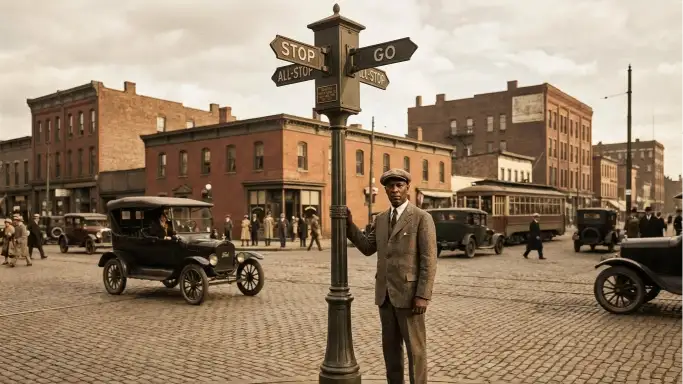
Modern cities cannot function without traffic signals. Every day, millions of drivers and pedestrians rely on traffic lights to move safely through busy roads and intersections. While traffic control systems have evolved with advanced technology, sensors, and artificial intelligence, their roots go back more than a century. One of the most important milestones in road safety history is the traffic light invented by Garrett Morgan, a breakthrough that transformed transportation and saved countless lives.
This article explores the history, purpose, and long-term impact of this invention. We will also discuss the life of Garrett Morgan, the challenges he faced, and why his contribution still matters today. Written in a clear, human tone, this guide is designed to inform, educate, and rank well in search results.
Table of Contents
Introduction: Why Traffic Lights Matter
Before traffic lights existed, roads were chaotic and dangerous. Horse-drawn carriages, bicycles, streetcars, and early automobiles all competed for space. Intersections were especially risky, leading to frequent accidents and injuries. Cities desperately needed a way to manage traffic flow.
The answer came through innovation and observation. The traffic light invented by Garrett Morgan was not just a mechanical device; it was a response to a growing social problem. Morgan understood that preventing accidents was just as important as improving vehicles themselves.
Who Was Garrett Morgan?
Garrett Morgan was an African American inventor, businessman, and safety pioneer born in 1877 in Kentucky. He had limited formal education but possessed exceptional creativity and problem-solving skills. Throughout his life, he developed inventions aimed at improving safety and daily living.
He is widely remembered not only for the traffic light invented by Garrett Morgan, but also for inventing an early gas mask and a safety hood that saved lives during emergencies. His work demonstrated how innovation could serve humanity.
The Problem That Inspired the Invention
In the early 1900s, automobiles became more common in American cities. Roads were originally designed for pedestrians and horse traffic, not fast-moving vehicles. Accidents increased rapidly, especially at intersections.
Garrett Morgan personally witnessed a serious collision between a carriage and a motor vehicle. This moment deeply affected him and inspired the traffic light invented by Garrett Morgan. He realized that drivers needed a clear system that warned them before stopping or starting.
How the Traffic Light Invented by Garrett Morgan Worked
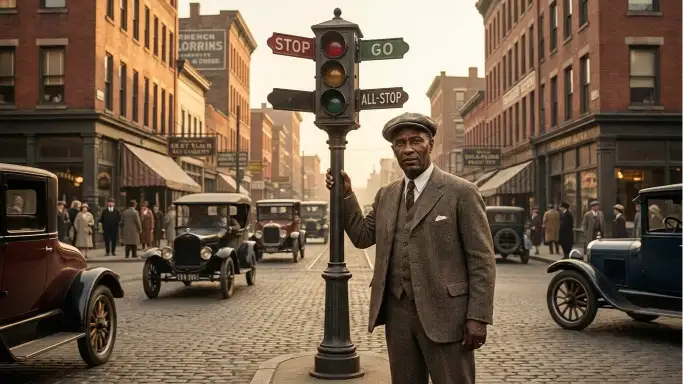
Unlike modern traffic lights, Morgan’s system was mechanical and manually operated. It included three signal positions:
- Stop
- Go
- All-direction stop
The third position was revolutionary. It allowed traffic from all directions to stop briefly, giving pedestrians time to cross safely before vehicles resumed movement. This concept made the traffic light invented by Garrett Morgan different from earlier signaling attempts.
Patent and Recognition
In 1923, Garrett Morgan received a U.S. patent for his traffic signal system. At the time, traffic regulation devices were still experimental. His patented design introduced structure and predictability to road travel.
The traffic light invented by Garrett Morgan attracted attention from major cities and automobile companies. Eventually, the patent was sold to General Electric, which helped spread the idea nationwide.
Table: Comparison of Early Traffic Control Systems
| Feature | Before Morgan’s Invention | Morgan’s Traffic Signal |
| Signal types | Manual signs or police control | Mechanical signal system |
| Pedestrian safety | Very limited | Dedicated stop-all phase |
| Accident prevention | Low effectiveness | Significantly improved |
| Scalability | Difficult | Easy to replicate |
This table clearly shows why the traffic light invented by Garrett Morgan was such an important advancement.
Social Challenges Faced by Garrett Morgan
Despite his brilliance, Garrett Morgan lived during a time of racial discrimination. Many people refused to acknowledge African American inventors. In some cases, Morgan had to hire white actors to present his inventions publicly.
Even with these obstacles, the traffic light invented by Garrett Morgan proved its value. Over time, his contributions gained recognition, though much later than they deserved.
Impact on Road Safety
The introduction of Morgan’s traffic signal system significantly reduced accidents at intersections. It created order where there was chaos and encouraged drivers to follow standardized rules.
Today’s automated systems still rely on the same principles introduced by the traffic light invented by Garrett Morgan—clear signals, timed stops, and pedestrian consideration.
Evolution into Modern Traffic Lights
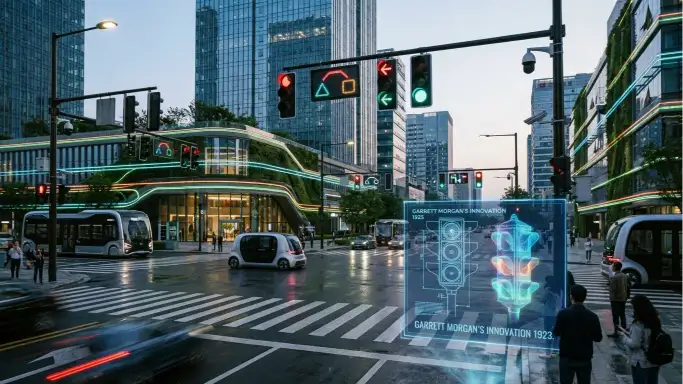
While Morgan’s original device was mechanical, it laid the foundation for electric and digital traffic lights. Engineers later added colored lights, automated timers, and smart sensors.
Without the traffic light invented by Garrett Morgan, modern traffic control systems might have developed much more slowly.
Why the Third “All-Stop” Signal Was Genius
One of the most overlooked aspects of Morgan’s design is the all-direction stop signal. This feature protected pedestrians and prevented side-impact collisions.
The idea behind the traffic light invented by Garrett Morgan was not speed, but safety. That philosophy remains central to traffic engineering today.
Global Influence of the Invention
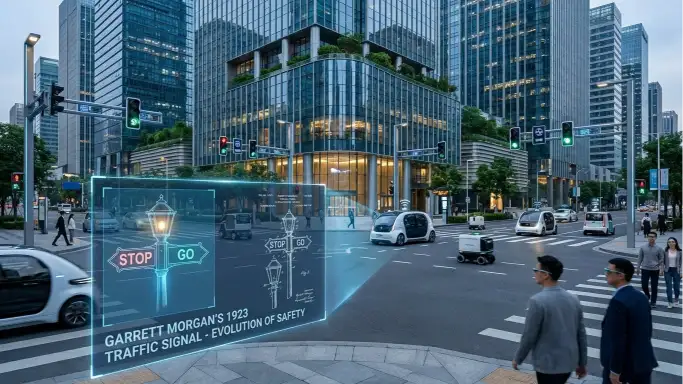
Although Morgan patented his invention in the United States, its impact spread globally. Cities across Europe, Asia, and beyond adopted similar systems.
The traffic light invented by Garrett Morgan influenced international road safety standards and urban planning.
Economic Benefits
Safer roads mean fewer accidents, lower medical costs, and improved transportation efficiency. Over time, the traffic light invented by Garrett Morgan contributed to economic growth by enabling smoother trade and travel.
Educational Importance
Today, Morgan’s invention is taught in schools as part of science, technology, and social studies curricula. It highlights innovation, perseverance, and social responsibility.
Learning about the traffic light invented by Garrett Morgan helps students understand how simple ideas can have massive societal impact.
Recognition and Legacy
Garrett Morgan received several honors later in life. Streets, schools, and awards have been named after him. His story continues to inspire inventors worldwide.
The traffic light invented by Garrett Morgan remains his most widely used legacy.
Common Myths About Traffic Light History
Many people believe traffic lights were invented by large corporations or government agencies. In reality, the traffic light invented by Garrett Morgan came from an individual observing everyday problems and seeking solutions.
Relevance in Today’s Smart Cities
Even with AI-powered traffic systems, the core logic remains unchanged. Stop, go, and caution are universal concepts rooted in the traffic light invented by Garrett Morgan.
Why This Invention Still Saves Lives
Every safe crossing, every avoided crash, and every organized intersection owes something to Morgan’s idea. The traffic light invented by Garrett Morgan continues to protect lives over a century later.
Lessons for Modern Innovators
Morgan’s journey teaches us that innovation does not require privilege—only persistence and purpose. The traffic light invented by Garrett Morgan shows how empathy can drive invention.
Conclusion
The traffic light invented by Garrett Morgan is more than a historical fact; it is a symbol of human ingenuity and social responsibility. From chaotic streets to organized intersections, this invention reshaped urban life.
By understanding its origins, we gain greater appreciation for everyday technologies that quietly keep us safe. Garrett Morgan’s legacy reminds us that one idea, driven by concern for others, can change the world.