

The automotive world is evolving faster than ever. Every year, new technologies reshape how cars perform, consume energy, interact with drivers, and stay connected. In this rapidly advancing era, understanding both traditional mechanics and modern systems has become essential for technicians, students, and car enthusiasts. This is why the modern automotive technology 10th edition has become one of the most valuable and comprehensive learning resources in the automotive industry today.
This article explores what the book includes, why it is important, how it helps students and professionals, and why it has become a standard reference for modern vehicle technology. Everything is explained in a simple, humanized, and easy-to-understand style to match your requirements.
Table of Contents
Introduction: Automotive Technology Is Transforming Fast
Cars today are no longer just machines with engines and wheels. They are intelligent, connected, computerized, and highly engineered systems that blend mechanical, electrical, and digital technologies.
Modern vehicles now include:
- advanced driver assistance
- hybrid and electric powertrains
- infotainment networks
- computer-controlled fuel systems
- connectivity features
- safety sensors and cameras
- digital diagnostics
Because of these fast advancements, traditional automotive knowledge is no longer enough. Mechanics must now understand electronics, diagnostics, software systems, and sustainable technologies. This is exactly why resources like the modern automotive technology 10th edition exist — to bridge the gap between old principles and new innovations.
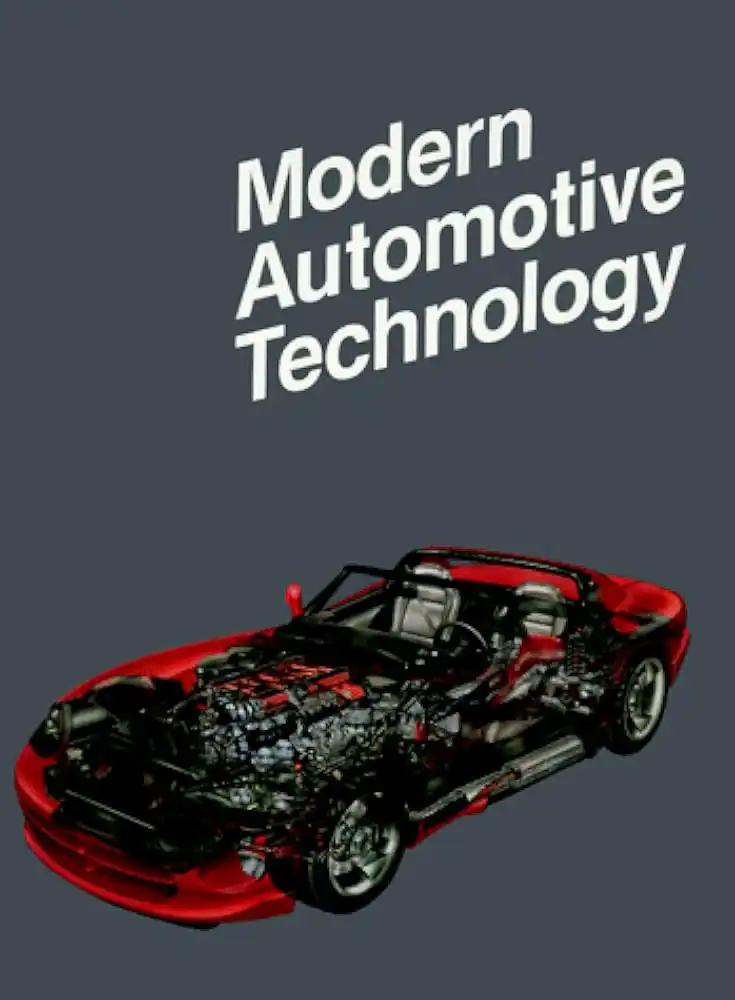
What Is Modern Automotive Technology 10th Edition?
The modern automotive technology 10th edition is a widely used textbook designed for students, mechanics, and automotive professionals. It covers every major system of a vehicle — from the engine and transmission to electrical networks and advanced computerized systems.
The purpose of the book is to help learners:
- understand how vehicles work
- learn modern diagnostic techniques
- explore hybrid and electric technologies
- identify parts and systems
- build real-world workshop skills
It combines theory with practical knowledge, which makes it suitable for automotive training institutes, technical colleges, and professional workshops.
What Makes This Edition Different?
Every edition of the book introduces improvements, but the modern automotive technology 10th edition includes major updates:
- More coverage of electric and hybrid vehicles
- Better explanations of digital diagnostics and OBD-II systems
- Updated graphics and colored diagrams
- Modern safety systems such as ADAS
- Environmental and green technology sections
- Stronger focus on real workshops and troubleshooting
This edition aligns with new industry standards, ensuring students learn skills relevant for the future.
Core Topics Covered in Modern Automotive Technology 10th Edition
The book is divided into major sections representing different vehicle systems. Here is an overview of the most important topics.
1. Engine Fundamentals
The book begins by explaining engine construction, parts, and operation. This includes:
- internal combustion principles
- pistons, crankshafts, and valves
- lubrication systems
- cooling systems
- turbochargers and superchargers
- fuel delivery systems
Readers learn how modern engines produce power efficiently and cleanly.
2. Electrical and Electronic Systems
Modern cars rely heavily on electronic components. The modern automotive technology 10th edition includes detailed explanations of:
- wiring diagrams
- sensors and actuators
- computer control modules
- alternators and batteries
- ignition systems
- CAN-bus communication networks
This section is essential because almost every modern repair involves electronics.
TABLE 1: Key Electrical Components Explained in the Book
| Component | Purpose | Importance |
|---|---|---|
| ECM (Engine Control Module) | Controls engine operation | Improves performance & efficiency |
| Sensors | Detect temperature, speed, pressure | Provide data for ECU decisions |
| Actuators | Perform physical actions | Control fuel injection, ignition, etc. |
| OBD-II System | Diagnostic interface | Helps locate vehicle faults |
| CAN Network | Communication pathway | Connects all electronic modules |
These components form the heart of modern automotive systems.
3. Transmission and Drivetrain Systems
The book explains different types of transmissions, including:
- manual gearboxes
- automatic transmissions
- dual-clutch systems
- CVT (continuously variable transmission)
- transfer cases
- AWD and 4WD components
Real-world troubleshooting examples help learners understand common issues.
4. Steering, Suspension, and Braking Systems
Modern safety and ride comfort depend heavily on these systems.
Covered topics include:
- ABS brakes
- electronic stability control
- power steering
- shock absorbers
- vehicle alignment
- advanced hydraulic and electronic braking features
These areas ensure vehicles remain safe and comfortable during operation.
5. Hybrid and Electric Technology
One of the most relevant sections in the modern automotive technology 10th edition is the comprehensive coverage of hybrid and electric vehicles.
Topics include:
- lithium-ion batteries
- regenerative braking
- electric motors
- hybrid systems (parallel, series, plug-in)
- safety protocols
- charging systems
With the world moving towards EVs, this is extremely valuable.
6. Body Systems and Comfort Features
Modern vehicles include many comfort and convenience components, such as:
- climate control systems
- heated seats
- parking sensors
- infotainment screens
- navigation systems
- electrical windows and mirrors
These features enhance driver comfort but require specialized diagnostic knowledge.
7. Modern Safety and Driver Assistance Systems
Safety systems have drastically evolved. This edition explains:
- automatic braking
- lane departure warning
- adaptive cruise control
- blind spot monitoring
- radar and camera systems
These are becoming standard in new vehicles, making it essential for technicians to understand them.
Benefits of Using Modern Automotive Technology 10th Edition
There are many reasons why students and professionals prefer this resource.
1. Easy-to-Understand Explanations
The book explains complex automotive concepts in simple language. Even beginners can understand advanced topics like engine calibration or electronic sensors.
2. Real-World Workshop Skills
Each chapter includes:
- troubleshooting steps
- diagnostic flowcharts
- common repair problems
- technician tips
This helps learners prepare for real automotive jobs.
3. Updated Technology Information
The modern automotive technology 10th edition reflects the latest industry standards, including electric vehicles and ADAS systems.
4. Detailed Illustrations and Diagrams
Clear visuals make it easier to understand components, circuits, and system layouts.
5. Practical Tests and Review Questions Students can test their understanding through:
- quizzes
- skill-building tasks
- workshop scenarios
This makes it ideal for classroom and workshop training.
Who Should Use This Book?
The book is designed for a wide audience:
1. Automotive Students
Perfect for those studying automotive mechanics or engineering.
2. Professional Technicians
Helps experienced mechanics stay updated with modern vehicle technology.
3. Workshop Owners
Useful for training new staff or refreshing knowledge.
4. Car Enthusiasts
Ideal for hobbyists who want to understand vehicle systems deeply.
5. Vocational Training Institutes
Many technical colleges use the modern automotive technology 10th edition as their primary textbook.
TABLE 2: Who Benefits the Most From This Edition
| Category | Why It Helps |
|---|---|
| Students | Builds strong knowledge base |
| Mechanics | Provides updated system understanding |
| Workshop Owners | Helps standardize training |
| EV Technicians | Includes hybrid & electric systems |
| Car Hobbyists | Enhances technical understanding |
Why the Book Remains an Industry Standard
Several factors make this edition authoritative:
- accurate modern data
- easy explanations
- covers both old and new technologies
- useful for all skill levels
- aligned with international automotive curriculum
In an industry evolving at high speed, having a trustworthy source of information is essential.
Modern Technology Trends Explained in the Book
Some of the major trends covered include:
- connected cars (IoT)
- self-driving sensors
- automotive cybersecurity
- eco-friendly engine technologies
- advanced fuel systems
- adaptive lighting systems
- AI-based diagnostics
These topics prepare learners for the future automotive landscape.
Conclusion
The modern automotive technology 10th edition is much more than a textbook — it’s a complete guide for understanding today’s vehicles. With the rise of electric cars, digital systems, and intelligent safety features, the automotive world is moving rapidly into a technological era. This edition equips students, technicians, and enthusiasts with the knowledge they need to succeed in this new environment.
From engines and brakes to hybrid systems and digital electronics, the book covers everything in a clear, structured, and practical way. Its blend of theory, illustrations, and hands-on learning makes it one of the most valuable resources in automotive education today.
Whether you are starting your automotive journey or upgrading your skills, the modern automotive technology 10th edition gives you the tools, confidence, and understanding you need to excel.